


Do you still own the same property or have the same account balances as when your plan was first created? What will the balances be like at your death?
Category Archives: Estate Planning
03
Feb
Feb
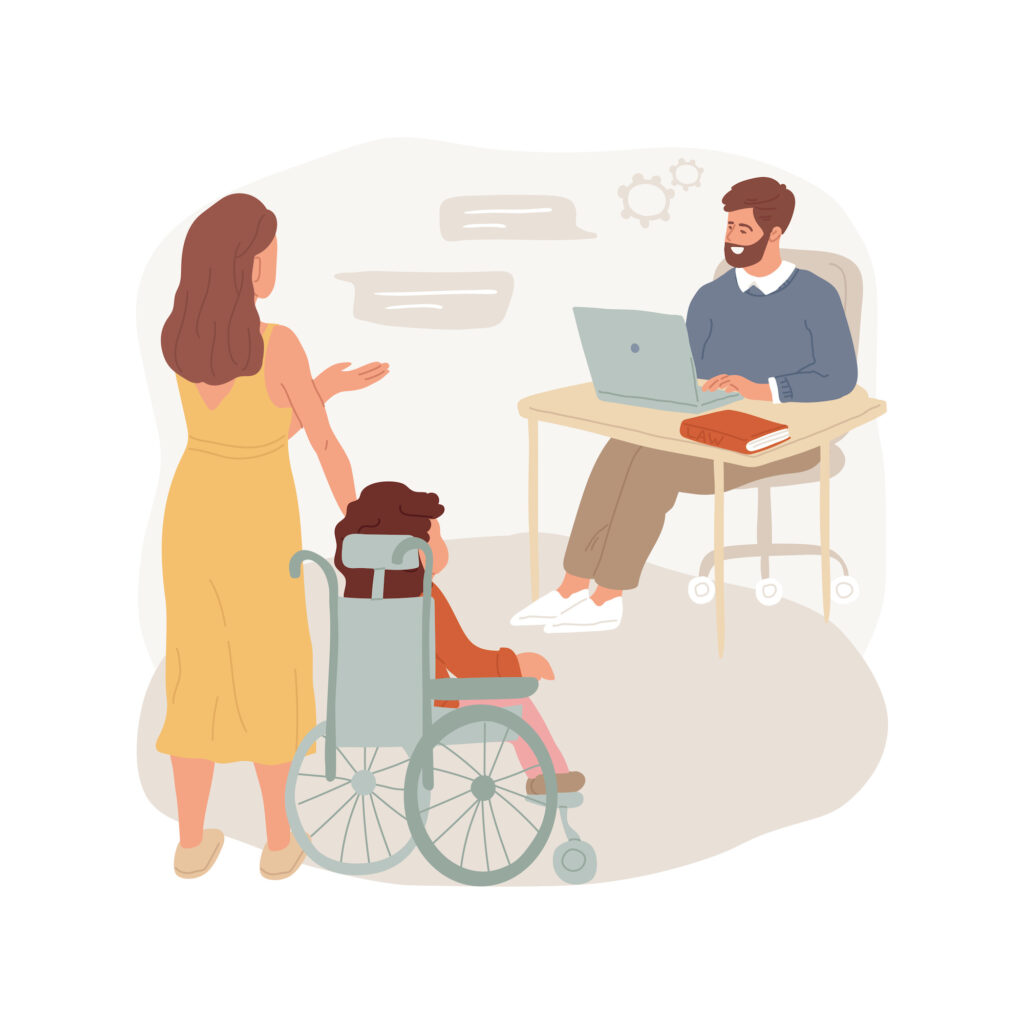
Parents of a special needs child could purchase life insurance for a child to benefit family caregivers.
27
Jan
Jan
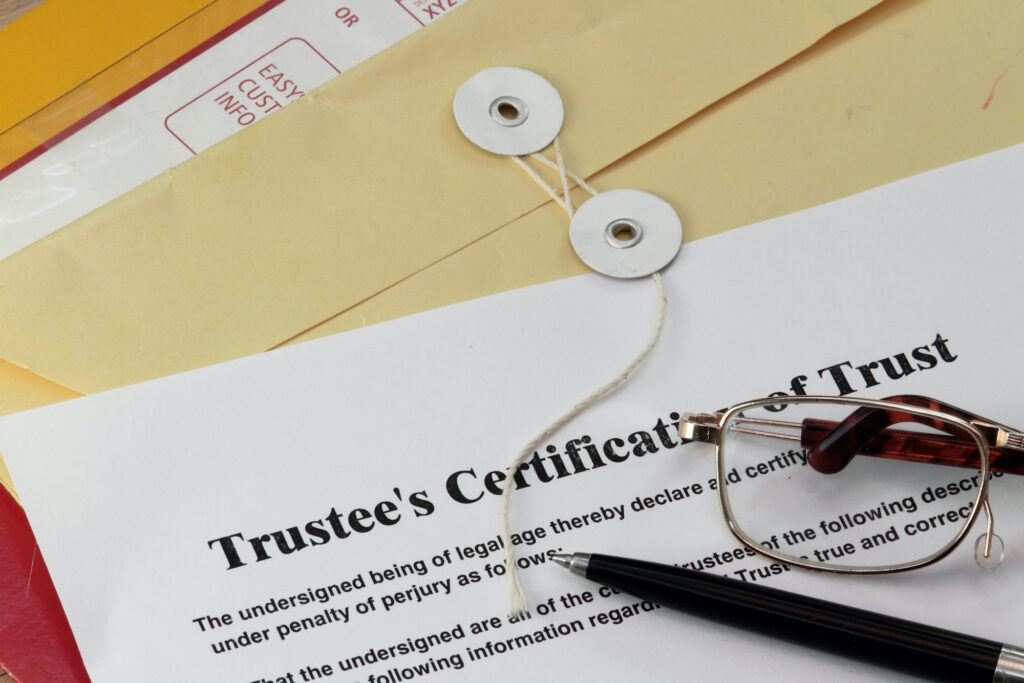
Unlike a will, a trust will help keep your estate from going through an expensive, time-consuming, and public probate process. If you set up a trust, with trustees, you still create a will, but it becomes a pour-over will, which moves (pours) your assets into your trust.
13
Jan
Jan
Although these two types of law differ and apply to varying stages in life, many handle them simultaneously. This is because many people wait till later in life to start their estate planning process.

06
Jan
Jan
In addition to asset distribution, your executor makes a public notice of your death, files your final taxes, and records your will in probate court.
30
Dec
Dec
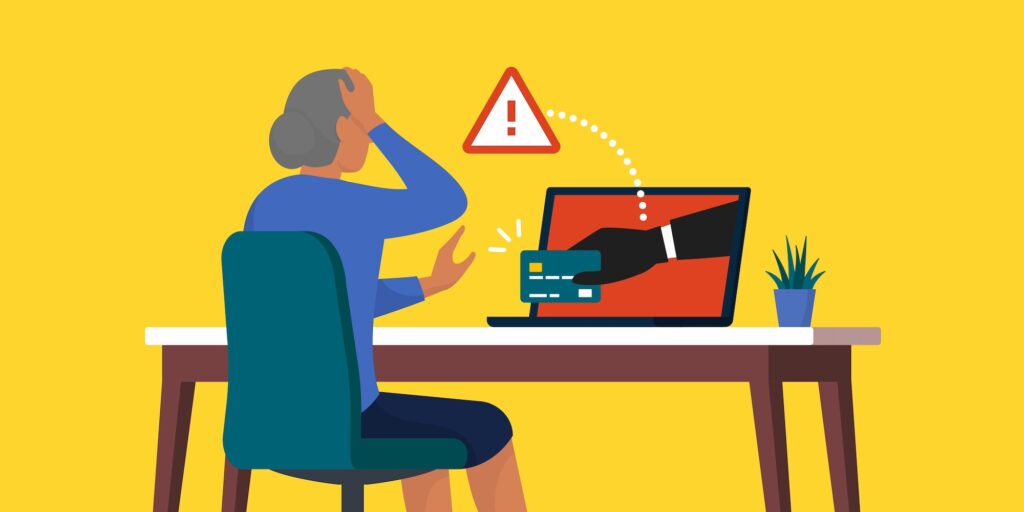
Educating older adults never to give out financial, government ID, or other personal information over the phone or internet is crucial to protect them. The older you become, the greater the risk of elder fraud. Knowing the possible schemes and planning additional oversight of your financial accounts can help protect your or a loved one from elder fraud. Contact our office to talk with an elder law attorney for resources and help to recover from fraudulent activity.
17
Dec
Dec
Paying for long-term care planning remains a significant challenge for most older Americans. However, preparing for service payments often proves tricky.
09
Dec
Dec
Before asset distribution, the estate’s executor should make every effort to pay all outstanding debts. After bills are paid, and the remaining assets are accounted for.
02
Dec
Dec
The probate process is generally efficient in smaller estates but can become lengthy and complex in larger ones. States have varying probate codes, and many have informal and formal processes.

18
Nov
Nov
The key to ensuring that your estate plan will work the way you envision is understanding that how you own your money and property (i.e., how title is held) determines whether your will or trust, or neither, controls who will receive that money and property.