


Estate Planning Mistakes That Could Cost Your Family

Creating an estate plan is one of the most important steps you can take to protect your family and your financial future. However, having a will or trust doesn’t automatically mean everything is properly arranged. In fact, an outdated or incomplete estate plan can sometimes create the very problems you intended to prevent.
At Skvarna Law Firm, serving Glendora, Upland, and surrounding Southern California communities, we help clients understand how estate planning decisions affect their loved ones. Although every family’s circumstances are different, certain mistakes appear repeatedly. Fortunately, many of these problems can be avoided with careful planning and periodic reviews.
Common Estate Planning Mistakes: Don’t Wait Until You Think You’re Ready

One of the biggest estate planning mistakes is waiting for the perfect time to begin. Some people assume they need to reach retirement age, accumulate substantial wealth, or experience a major life change before creating legal documents. Unfortunately, life doesn’t always provide advance notice when those documents will become necessary.
Estate planning isn’t exclusively for wealthy individuals or older adults. If you own a home, maintain financial accounts, have children, or want someone you trust to make decisions if you become incapacitated, you have reasons to plan.
Furthermore, waiting until a medical emergency can complicate matters because individuals must have the required legal capacity to execute estate planning documents. By preparing in advance, you can make decisions thoughtfully rather than rushing through them during a crisis.
Assuming a Will Covers Everything is Among Common Estate Planning Mistakes

Although a will is an important estate planning document, it doesn’t necessarily control every asset you own. In California, certain property may transfer through beneficiary designations, ownership arrangements, or trusts rather than through the instructions in a will.
For example, consider the following:
- Retirement accounts generally transfer according to their beneficiary designations.
- Life insurance proceeds usually go directly to the named beneficiaries.
- Joint tenancy property typically passes to the surviving joint tenant.
- Assets properly transferred into a living trust are generally administered according to the trust’s terms.
- Payable-on-death accounts ordinarily transfer to their designated beneficiaries.
Consequently, your will might name one person to inherit your property while an outdated beneficiary designation directs a particular account to someone else.
To avoid conflicting instructions, we encourage clients to review how their assets are titled and who is named to receive them. A coordinated estate plan considers these arrangements together rather than treating each document separately.
Don’t Overlook Planning for Incapacity

Estate planning isn’t only about what happens after death. Equally important, it addresses who can make decisions if you’re alive but unable to manage your own affairs.
For instance, a financial power of attorney may authorize someone you trust to handle designated financial matters. Meanwhile, an advance healthcare directive allows you to express healthcare preferences and appoint someone to make medical decisions under the circumstances specified in the document.
Without appropriate planning, loved ones may face additional legal complications when trying to manage finances or healthcare decisions. Therefore, a comprehensive estate plan should address both lifetime incapacity and the eventual distribution of your property.
More Estate Planning Mistakes: Assuming That Creating a Trust Is Enough
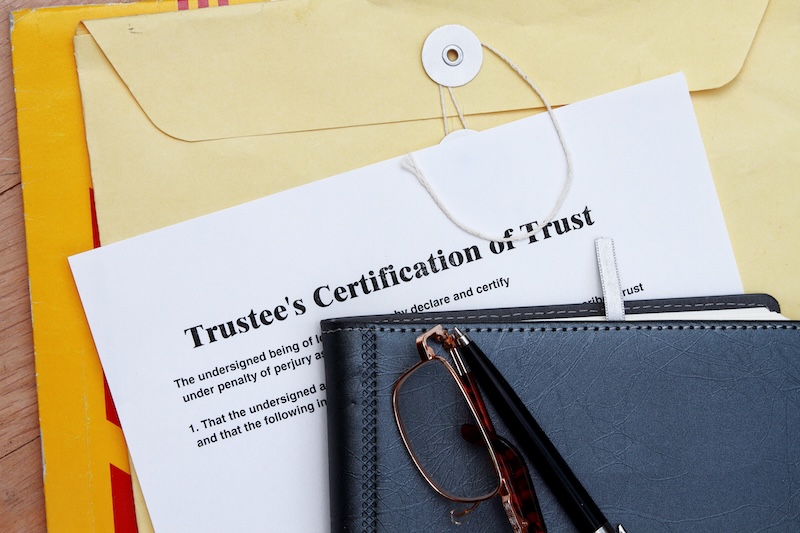
Revocable living trusts are commonly used in California estate planning because they can provide a framework for managing assets during life and distributing them after death. However, signing a trust document doesn’t automatically place your property into that trust.
Instead, certain assets must be properly transferred or retitled through a process commonly called funding the trust. For example, real estate may require an appropriately prepared and recorded deed, while financial accounts may require changes to ownership or other arrangements.
If important assets remain outside the trust, they may require additional legal procedures after death, potentially including probate. As a result, trust funding deserves just as much attention as preparing the trust document itself.
Don’t Rely on Generic Documents Without Understanding the Consequences

Online estate planning forms may appear convenient, particularly when someone has relatively straightforward wishes. Nevertheless, California has specific legal requirements governing wills, trusts, powers of attorney, and other estate planning documents.
A generic template may not account for community property rules, blended families, special beneficiary circumstances, or the way your assets are owned. Furthermore, improperly executed documents can create uncertainty about whether your instructions are legally enforceable.
While do-it-yourself documents may work in some situations, it’s important to understand their limitations. Working with an experienced California estate planning attorney can help identify issues that a standardized form might overlook.
Even a carefully prepared estate plan can become less effective as your circumstances change. For that reason, we encourage clients to review their documents periodically, particularly after significant family or financial developments.
Don’t Let Your Estate Plan Become Outdated

Even a carefully prepared estate plan can become less effective as your circumstances change. For that reason, we encourage clients to review their documents periodically, particularly after significant family or financial developments.
Events that may warrant a review include:
- Marriage, divorce, or remarriage.
- The birth or adoption of a child or grandchild.
- The death or incapacity of a named beneficiary or decision-maker.
- Purchasing or selling real estate.
- Significant changes in financial circumstances.
- Starting or selling a business.
- Moving to another state.
Additionally, changes in California or federal law may affect certain planning strategies. By reviewing your documents regularly, you can help ensure that your estate plan continues to reflect your wishes and circumstances.
Don’t Choose Decision-Makers Out of Obligation
Selecting an executor, trustee, or agent under a power of attorney can be one of the most personal parts of estate planning. However, choosing someone solely because they’re your oldest child or closest relative may not always be the best decision.
These responsibilities can involve managing financial accounts, communicating with beneficiaries, maintaining records, and making difficult decisions. Consequently, the person you select should have the judgment, reliability, and availability necessary to fulfill the role.
It’s also wise to name appropriate backup decision-makers. After all, circumstances can change, and your first choice may eventually be unable or unwilling to serve.
Don’t Hide Important Family Circumstances From Your Attorney
Families are complicated, and estate planning often involves sensitive relationships or difficult decisions. Although discussing those matters can feel uncomfortable, withholding information may prevent your attorney from recommending an appropriate strategy.
For example, blended families, estranged relatives, beneficiaries with disabilities, or concerns about financial responsibility may require additional planning. Similarly, unequal distributions or special circumstances can create misunderstandings if the documents don’t clearly reflect your intentions.
By discussing these issues openly, you give your attorney a better understanding of what you want to accomplish and which potential problems should be addressed.
The Biggest Mistake Is Doing Nothing

Estate planning doesn’t require predicting every possible circumstance. Instead, it involves making informed decisions today while leaving room to adjust your plan as life changes.
At Skvarna Law Firm, we help individuals and families throughout Glendora, Upland, and surrounding Southern California communities prepare estate plans designed around their needs. Whether you’re creating your first plan or reviewing documents prepared years ago, acting now can help reduce uncertainty for the people you care about.
About Skvarna Law Firm in Glendora and Upland, California
Skvarna Law Firm operates from Glendora and Upland, California, serving clients throughout San Bernardino County, Los Angeles County, Orange County, and Riverside County, including Upland, Ontario, Rancho Cucamonga, Fontana, Colton, Rialto, Chino, Chino Hills, Glendora, Claremont, San Dimas, La Verne, Covina, West Covina, Azusa, and surrounding communities. The firm assists clients with estate planning, trusts, wills, probate, and elder law, helping individuals and families protect their assets, plan for the future, and navigate important legal decisions with confidence.
