

Celebrate Your Life Your Way: Estate Planning for Funerals and Memorials
Most people remember the first time they attended a funeral. For many, that moment comes during childhood after the loss of a grandparent, relative, or family friend. That experience often leaves a lasting impression. The tone of the service, the traditions involved, and the way loved ones gathered to remember the person all shape how we think about memorials later in life.
Some individuals appreciate the structure and continuity of traditional funeral services. Others feel drawn to more personalized gatherings that reflect personality, beliefs, and values. In recent years, Americans have begun exploring a wider range of memorial options, including celebrations of life, living funerals, environmentally focused burials, and virtual memorial gatherings.
Whatever form a memorial may take, thoughtful planning plays a critical role. Memorial decisions do not exist separately from estate planning. In fact, a well-structured estate plan often includes clear guidance about end-of-life arrangements and how those arrangements will be funded.

Memorial Planning Belongs Inside an Estate Plan
Estate planning covers far more than distributing financial assets. A complete estate plan addresses everything a person owns and the decisions that must follow after death.
An estate typically includes real estate, vehicles, financial accounts, retirement assets, and personal belongings. However, estate planning can also address decisions related to final arrangements, including burial, cremation, or memorial services.
When a person passes away without documenting their wishes, the responsibility for those decisions usually falls to surviving family members. Spouses, children, parents, or siblings must determine how to handle final arrangements based on their best judgment.
Family members often want to honor the person who passed away, but they may struggle to determine what that person truly wanted. Clear documentation can remove uncertainty and allow loved ones to carry out those wishes with confidence.
Estate planning provides the legal structure needed to communicate those preferences and ensure that decision-makers have clear guidance.
Estate Planning for Funerals

Many Americans think about their own memorial arrangements at some point. Surveys show that a large percentage of people have considered the type of service they would prefer, the music they would like played, or the overall tone they hope the gathering will convey.
However, thinking about these preferences and documenting them in a legally organized plan represent two very different things.
Conversations about death often feel uncomfortable. Families may postpone these discussions for years, assuming there will be time later. Unfortunately, when no plan exists, loved ones must make difficult decisions during an already emotional period.
Documenting memorial wishes in an estate plan allows families to follow clear instructions rather than guess at what their loved one might have wanted.
Understanding the Cost of Funeral and Memorial Services
Financial planning plays a major role in memorial arrangements.
According to recent industry estimates, the average cost of a traditional funeral with burial in the United States now ranges between $8,000 and $9,000. Additional elements such as burial plots, grave markers, flowers, and special services can increase those costs significantly.
For example:
• Burial plots can cost several thousand dollars depending on location
• Grave markers or headstones may cost thousands more
• Floral arrangements often range from $50 to $80 each
• Specialty services and memorial elements can add additional expenses
Without advance planning, these costs must often be paid quickly after death. Estate funds usually cover funeral expenses before most other debts, but courts may only approve expenses considered “reasonable.” Highly personalized or elaborate services may exceed what the estate automatically provides.
Estate planning allows individuals to determine not only how they wish to be remembered but also how those arrangements will be funded.
Modern Alternatives to Traditional Funeral Services

Memorial traditions continue evolving as families seek ways to reflect individual values and personalities.
Many people still choose traditional funerals, but others explore alternatives that offer greater flexibility or personal meaning.

Living Funerals
A living funeral allows a person to participate in their own memorial gathering while still alive. Instead of focusing on loss, the event celebrates connection, gratitude, and shared memories.
Family and friends gather to tell stories, express appreciation, and spend meaningful time together with the honoree present. Some living funerals resemble formal services with speeches and readings, while others take the form of dinners or informal celebrations.
Even when families hold a living funeral, traditional disposition plans such as burial or cremation still require planning afterward.
Celebrations of Life
Celebrations of life often take place after death but focus on storytelling and remembrance rather than formal ceremony.
These gatherings usually occur weeks or months after death, allowing families time to plan meaningful events. Locations may include homes, parks, community centers, or venues connected to the person’s interests.
Celebrations of life often include personal touches such as themed decorations, favorite music, shared meals, and memory displays.
Cremation with Flexible Memorials
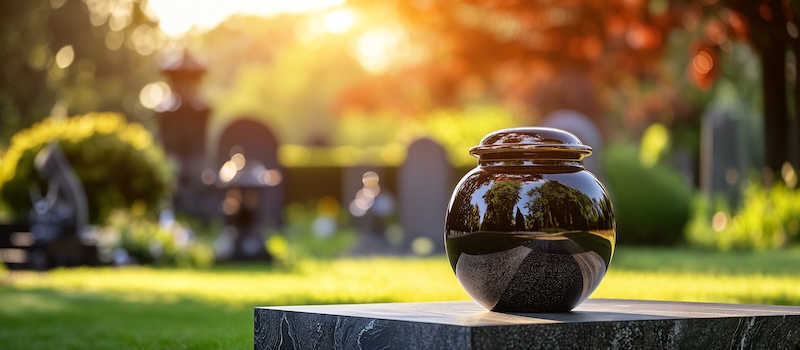
Cremation continues gaining popularity across the United States. One reason involves the flexibility it provides for memorial planning.
Because cremation can occur shortly after death, families gain more time to plan a meaningful memorial event later. Services may take place weeks or even months afterward, allowing loved ones to gather when travel schedules permit.
Memorials may include the presence of cremated remains, private family gatherings, or multiple ceremonies held in different locations.

Green or Natural Burials
Environmentally conscious burial options have also grown in popularity.
Green burials avoid embalming chemicals, concrete vaults, and nonbiodegradable caskets. Instead, the body returns to the earth in biodegradable containers or shrouds within designated natural burial grounds.
These ceremonies often emphasize simplicity and connection with nature, aligning with the environmental values of many families.
Technology-Enabled Memorials
Modern technology now allows loved ones to participate in memorial services regardless of location.
Live-streamed ceremonies, hybrid gatherings, and fully virtual memorial services help families connect across distances. Digital planning tools also allow families to coordinate services and complete arrangements remotely.
These options can reduce logistical challenges while allowing extended communities to participate in honoring a life.
Turning Memorial Ideas into Practical Plans
Thinking about memorial preferences represents only the first step. Turning those ideas into actionable instructions ensures that loved ones can follow them.
Estate planning documents can include several tools that help communicate these wishes.
A will may provide high-level direction regarding disposition and funeral preferences. A letter of instruction can provide more detailed guidance about logistics, locations, music, and personal elements. Some individuals also choose to create ethical or legacy wills that share personal values and the meaning behind their decisions.
Equally important involves communicating those wishes to trusted family members or decision-makers. Conversations today can prevent confusion tomorrow.
Planning the Experience You Want
Memorial planning does not require choosing every detail in advance. However, considering the overall tone of the event can provide helpful guidance.
Some individuals prefer traditional religious services. Others envision informal gatherings centered around storytelling and celebration.
Personal details may include:
• Music selections that reflect meaningful moments
• Favorite locations or meaningful venues
• Photo displays or memory boards
• Food and beverages connected to personal traditions
• Small keepsakes or mementos for attendees
These elements help transform memorial services into meaningful celebrations of life.
Coordinating Professional Support for Estate Planning for Funerals
Memorial planning often involves several professionals working together.
Funeral directors help coordinate disposition and service logistics. Celebrants or clergy members may guide ceremonies. Event planners may assist with larger gatherings.
Estate planning attorneys play an important role by ensuring that instructions remain legally clear and consistent with the broader estate plan.
Proper documentation helps families carry out those wishes without uncertainty or legal complications.
Funding Memorial Wishes
Memorial planning should also address how expenses will be covered.
Several options may help provide funding for final arrangements:
• Dedicated savings accounts
• Life insurance or final expense policies
• Prepaid funeral services
• Payable-on-death (POD) accounts that release funds quickly
Coordinating funding with memorial wishes helps prevent financial stress for surviving family members.
Estate Planning Helps Ensure Your Wishes Are Honored
Every life carries a unique story. The way a person chooses to be remembered may reflect tradition, creativity, environmental values, or personal beliefs.
Some individuals prefer traditional funerals. Others choose celebrations of life, green burials, or technology-enabled memorial gatherings.
Whatever form those preferences take, estate planning provides the structure needed to communicate those wishes clearly and ensure that loved ones can carry them out.
If you want your memorial to reflect your values, your story, and your legacy, planning ahead provides the most reliable way to make that happen.
Speaking with an experienced estate planning attorney can help transform personal ideas into clear legal instructions that protect both your wishes and your loved ones.
About Skvarna Law Firm in Glendora and Upland, California
Skvarna Law Firm focuses on estate planning, wills, trusts, and probate guidance for families throughout California. We help individuals and families create thoughtful estate plans that protect assets, clarify intentions, and reduce uncertainty for loved ones. Our team believes that careful planning today provides peace of mind for tomorrow. If you would like to discuss your estate planning goals or update your existing plan, contact Skvarna Law Firm to schedule a consultation.
