


Is Your Estate Plan Still Protecting You? Apply a Stress Test In recent posts, we’ve discussed how an estate plan reflects more than documents — it represents your life’s work, your priorities, and your values. Yet once you sign your trust or will, your planning shouldn’t stop. An estate plan must adapt as your circumstances […]
Category Archives: Uncategorized

01
Aug
Aug
Does Treating Your Children Fairly Mean Unequal Inheritances? When creating an estate plan, many parents aim to treat their children fairly. But fairness does not always mean equality—especially when each child has different needs, responsibilities, or life circumstances. In some families, the fairest approach may involve unequal inheritances. In this post, we examine the times when […]

18
Jul
Jul
Last week, we discussed estate planning for individuals facing deployment. This week, we’re expanding that conversation to include a broader perspective—estate planning for military families as a whole. Whether you’re active-duty, part of the reserves, or a military spouse, your estate plan should reflect the unique challenges and benefits of military life.

13
Jun
Jun
Disinheriting a Spouse in California: What You Need to Know About Inheritance Laws When forming an estate plan, many people assume they maintain complete control over asset distribution after death. While this is generally true when it comes to children, siblings, and extended family, California inheritance law limits a person’s ability to disinherit a spouse. […]

21
Apr
Apr
Four Ways to Prevent a Will or Trust Contest When families dispute a will or trust, emotions run high, relationships suffer, and financial legacies shrink. These legal battles often delay administration, waste resources, and overshadow your final wishes. Fortunately, thoughtful estate planning prevents many of these conflicts. In this blog, we discuss how to make […]
10
Dec
Dec
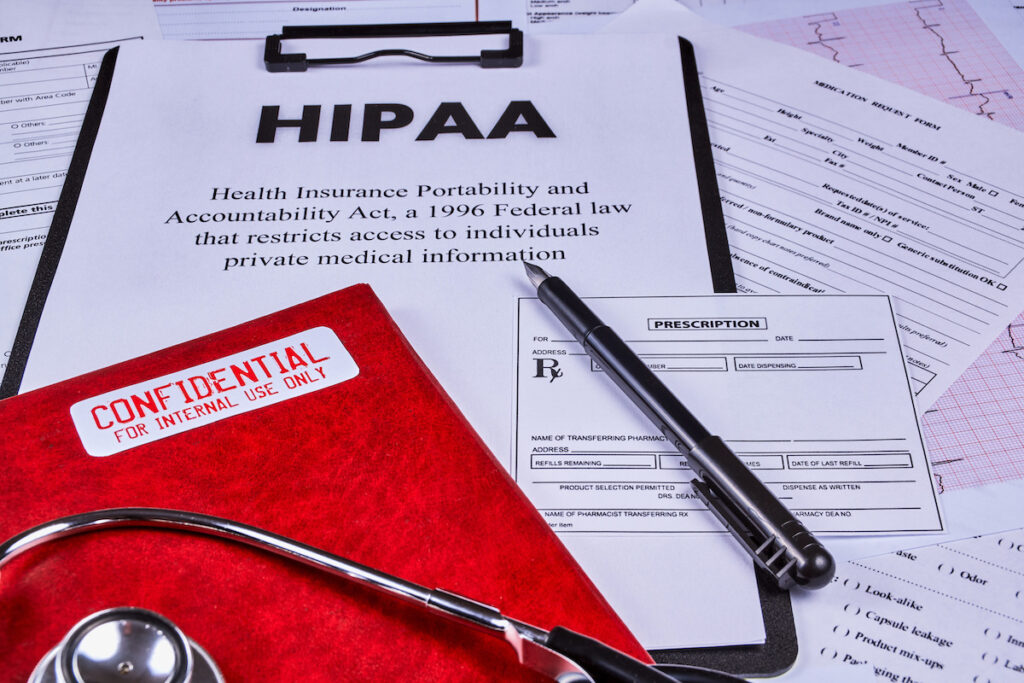
HIPAA The Federal Health Insurance Portability and Accountability Act of 1996 (HIPAA) provides guidelines to the healthcare industry for protecting patient information and preserving privacy. This is usually a nonissue for minors because parents, as legal guardians, generally have access to their children’s medical information, make most of their medical decisions, and pay the expenses.
06
Dec
Dec
HIPAA The Federal Health Insurance Portability and Accountability Act of 1996 (HIPAA) provides guidelines to the healthcare industry for protecting patient information and preserving privacy. This is usually a nonissue for minors because parents, as legal guardians, generally have access to their children’s medical information, make most of their medical decisions, and pay the expenses.
A living trust is a legal document that allows you to transfer your assets into a trust during your lifetime. This can help your estate avoid probate, a potentially lengthy and expensive legal process. A living trust also provides privacy, as it does not go through the probate process, which is a matter of public record.

05
Apr
Apr
Pension and retirement accounts form a large portion of an individual’s wealth. Thus, make sure you account for them in your estate plan. If a retirement account holder completes a proper beneficiary designation, their account assets will bypass probate. Account holders often designate a surviving spouse or children as beneficiary, but they could also name a trust or a charity.

11
Dec
Dec
People across the United States use Trust Protectors. Essentially, a trust protector is someone who serves as an appointed authority over a trust which will be in effect for a long period of time. Trust protectors ensure that trustees maintain the integrity of the trust. What’s more, they make solid distribution and investment decisions, and […]