

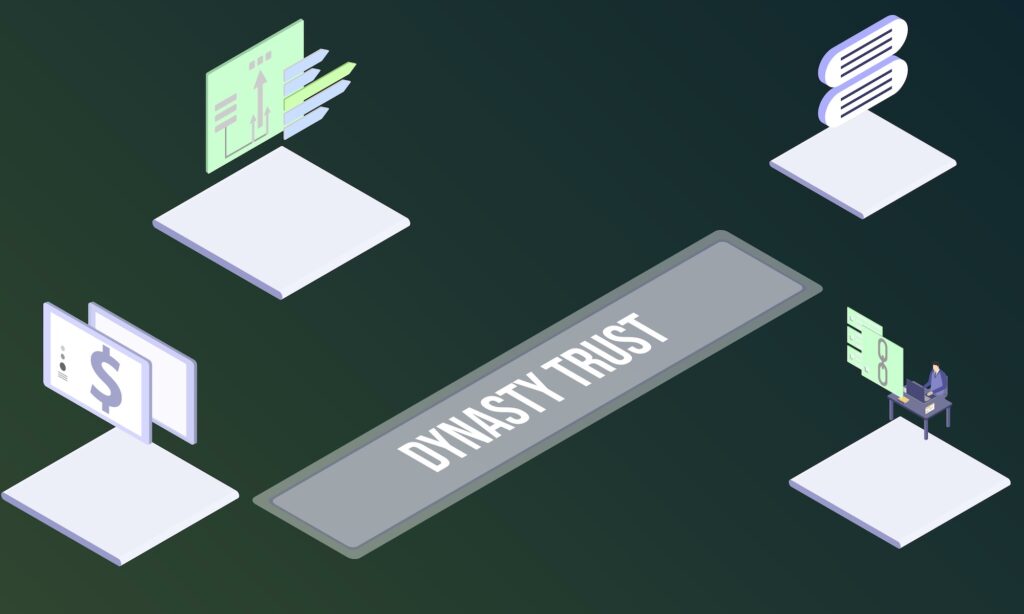
When people create estate plans, they typically focus on distributing their money and property to loved ones. For those interested in multigenerational wealth transfer, consider dynasty trusts.
Category Archives: Heirs

07
Oct
Oct
surprised young business woman looking through binoculars on yellow background.
09
Sep
Sep
The news that you will be receiving an inheritance is often bittersweet. Sadly, it means that somebody close to you died. However, you might also have mixed emotions about your inheritance for reasons that have to do with the actual accounts or inherited property.

22
Jul
Jul
A cold wallet is a physical storage device, such as a USB drive. It stores your crypto offline. The downsides of this option include the cost of the hardware, and that the device may be a small object which may easily be misplaced.
08
Jul
Jul
The first step to protecting your artistic legacy is to catalog your artwork, including pieces you sold. Specify how much to sell each piece for. This information may aid artwork evaluation.

10
Jun
Jun
The National Association of Home Builders reports that people owned 7.5 million second homes in 2018. This makes up 5.5 percent of the total number of homes. Such vacation property must be planned for, managed, and maintained. What’s more, they birth happy memories for their owners. Consider these estate planning questions to protect your place […]
26
May
May
Blended families challenge us in life and death. Someone with children from a previous marriage balances wanting to provide for their children and their spouse. Specifically, concerns arise relative to the money left to the current spouse.
15
Apr
Apr
Many financial institutions allow account holders to sign documents that transfer funds immediately to another person upon the account holder’s death.
Estate Planning, Guardianship, Heirs, Inheritance, Trusts
A Supplemental Needs Trust Protects Loved Ones
25
Mar
Mar
Most people think disability affects other people. However, approximately 61 million U.S. adults live with a disability. That translates to one in four adults. What’s more, between one and four 20-year-olds become disabled before reaching retirement age.

11
Feb
Feb
The reasons a trust-maker creates a trust emerge as important. However, your intent or purpose for creating a trust imparts legal ramifications. Therefore, a trust-maker must express (in writing) their intent or purpose for creating the trust.