


As we recently celebrated Veterans Day, many families reflected on service, sacrifice, and the unique responsibilities that military life creates. A veteran’s’ estate follows a distinct path—one shaped by structure, discipline, and commitment. When that chapter closes, civilian life requires a new kind of readiness. Estate planning becomes part of that mission, and Veterans benefit from a strategy tailored to their benefits, their service record, and the legacy they want to protect.
Veterans often manage assets, responsibilities, and benefits that differ from civilian households. A comprehensive estate plan helps coordinate those elements, so nothing falls through the cracks. Your plan safeguards your inheritance strategy, aligns with California law, protects eligibility for earned benefits, and shields your family from unnecessary stress later.

Veteran’s Estate: A Mission Plan for Benefits, Family, and Legacy
Military life produces detailed records—training logs, medical reports, duty assignments, pay documents, and award histories. Veterans rely on this paper trail to access benefits, confirm service connections, and prove eligibility for programs. Estate planning documents function similarly. They organize your wishes, create clarity, and give your family a roadmap when they need it most.
Thoughtful planning supports your long-term goals. It gives structure to your inheritance strategy, ensures that your loved ones understand your wishes, and prevents confusion during incapacity or after death. Military preparation teaches you to anticipate scenarios and create contingency plans. Estate planning follows the same principle: life changes, but strong preparation gives your family stability no matter what comes next.
Core Documents Every Veteran’s Estate Should Include
Veterans build estate planning around the same core documents civilians use, but the coordination of benefits and assets requires extra attention.
Last Will and Testament
A will outlines who inherits property without beneficiary designations or joint ownership. Veterans with minor children also nominate guardians in this document. Clear instructions help prevent disputes and streamline probate.
Trusts
A revocable living trust gives families privacy, flexibility, and control over the inheritance process. Unlike a testamentary trust, a living trust avoids probate, which speeds up administration and reduces costs. Trusts also help Veterans manage how and when beneficiaries receive assets—especially important when children, dependents with special needs, or vulnerable family members rely on protection.
Powers of Attorney
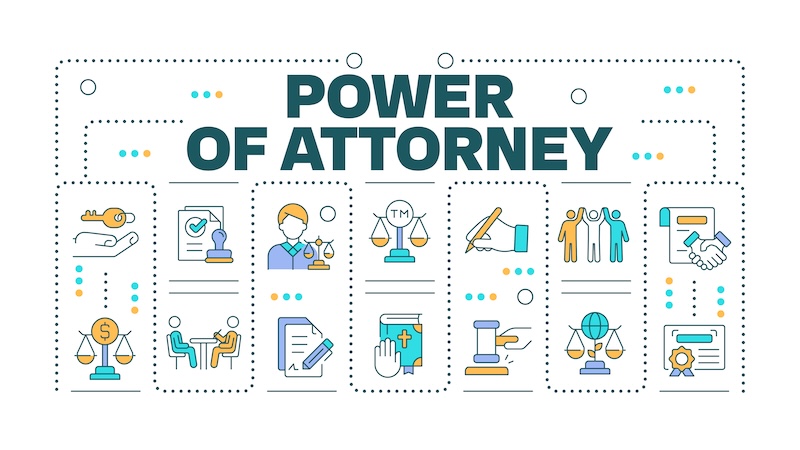
Financial and healthcare powers of attorney empower trusted individuals to act when you cannot. These documents authorize agents to handle claims, insurance appeals, medical decisions, banking, and VA-related matters. Without them, your family may face court delays or lack authority during emergencies.
Advance Directive or Living Will
A living will states your medical treatment preferences. This clarity matters because it relieves loved ones from difficult decisions and minimizes family conflict. It also helps healthcare providers honor your values with confidence.
Beneficiary Designations
Your will never controls assets that pass by beneficiary designation. Military-related assets—SGLI, the Thrift Savings Plan, and the Survivor Benefit Plan—transfer directly to the individuals named on the forms. If those designations conflict with your estate plan, the beneficiary form wins. Veterans create stronger plans when they review and update these forms regularly.

Estate Planning Considerations Unique to Veterans
Veterans navigate additional layers of benefits and programs that require thoughtful coordination. When handled correctly, they strengthen your inheritance plan and protect eligibility for future care.
Evaluating VA Benefits
Some VA programs depend on income and assets. If you leave an inheritance outright to a surviving spouse, you may unintentionally jeopardize their eligibility for needs-based benefits. Structuring inheritances through trusts often preserves coverage.
Planning for Aid and Attendance
Veterans needing long-term care may qualify for Aid and Attendance or Housebound benefits. Trust-based strategies often help families manage assets while maintaining eligibility.
Life Insurance Transitions
SGLI coverage ends shortly after separation. Veterans often switch to VGLI or explore civilian options. Reviewing these decisions early prevents expensive gaps in coverage.
Coordinating TRICARE for Life and Medicare
Retired Veterans enrolled in Medicare Parts A and B use TRICARE for Life as secondary insurance. Estate planning strengthens this coverage by empowering agents to handle claims and appeals.

Updating Documents After Leaving Active Duty
Veterans often experience major transitions—new employment, new retirement accounts, relocations, marriages, divorces, or new dependents. Updated estate planning documents keep everything aligned with new circumstances.
Preserving Survivor Benefits
SBP elections remain powerful tools for financial protection. Reviewing those elections after major life events ensures continued support for spouses or dependents. Integrating SBP with trusts, life insurance, and Social Security strengthens survivor planning.
Trust-Based Planning for Complex Family Needs
Trusts help Veterans protect dependents who cannot manage money independently, whether due to special needs, disabilities, mental health concerns, or financial vulnerability. A properly structured trust ensures responsible management without jeopardizing government benefits.
Documenting Funeral and Burial Wishes
Many Veterans want burial in a VA national cemetery or military honors at their service. Documenting these preferences avoids confusion and ensures respectful compliance with your wishes.
Mission-Driven Preparation for the Next Stage of Life & Veteran’s Estate Planning

Your service prepared you to approach every mission with precision and commitment. Estate planning follows that same discipline. A clear plan strengthens your family’s stability and prevents unnecessary hardship. Even the strongest plans evolve over time. Life shifts, benefits change, and families grow. Reviewing and refreshing your plan regularly keeps it mission-ready.
If you haven’t updated your estate plan recently—or if you want to coordinate your military benefits with a long-term inheritance strategy—now is the ideal moment to act. Your service protected the country. Your estate plan protects the people you love.
About Skvarna Law in Glendora & Upland, California

At Skvarna Law, we believe estate planning works best when it reflects your real life, your real values, and your real goals. We help clients throughout California create mission-ready plans that protect family, finances, benefits, and legacy. Whether you need a trust, a will, guidance for a loved one, or an update to an existing plan, our firm delivers clarity, care, and a strategy that moves you forward. Reach out today to begin your planning with confidence.
