

You Cannot Afford to Make These Estate Planning Blunders
Many people think a simple will covers all their future goals. In reality, a flawed estate plan can create just as many headaches, heartaches, and expenses as having no plan at all. Life changes, laws evolve, and even good intentions can fall short. Without proper updates, families face court battles, unexpected taxes, or painful disagreements, aka estate planning blunders.

Here are 12 common mistakes that could jeopardize your hard-earned money and property, diminish your legacy, and place unnecessary burdens on your loved ones. Ask yourself: Does my current plan protect my future—or do I need a review?
Estate Planning Blunders by the Numbers

1. Lack of Healthcare Planning
Most people spend their final days in hospitals or care facilities, often without the ability to communicate. Without instructions, families and providers guess about your wishes. Advance directives outline your preferences for end-of-life care. A healthcare power of attorney authorizes a trusted person to make decisions when you cannot. Together with a financial power of attorney, these documents protect both your medical and financial interests. As a result, you give loved ones clarity and peace of mind during stressful times.
2. Failure to Appoint Financial Decision-Makers

At some point, you may need someone to handle your financial or legal affairs. A financial power of attorney allows you to appoint a trusted individual to pay bills and manage transactions without court involvement. In addition, this document ensures continuity so that obligations don’t slip through the cracks during incapacity or absence.
3. No Will or Trust
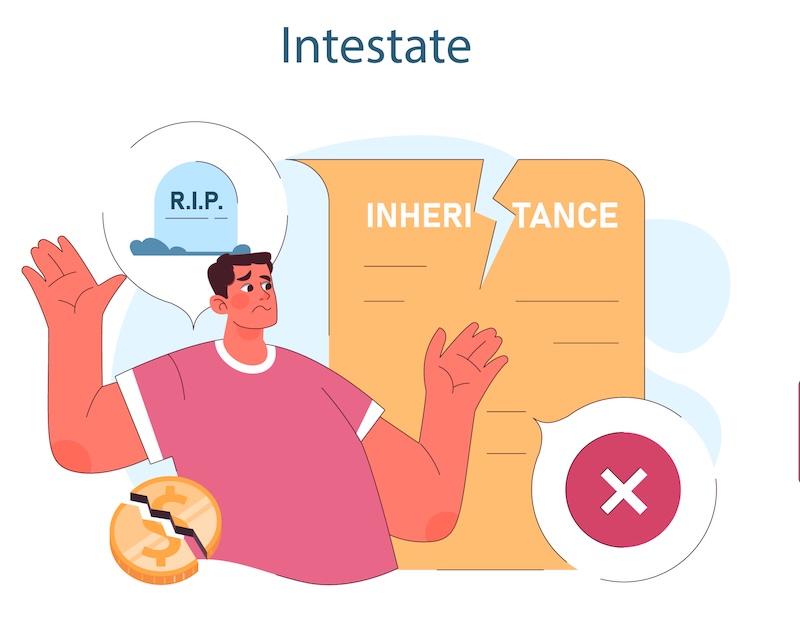
If you die without a plan, your estate moves through the public, costly, and lengthy probate process. Without a will, a judge applies the state’s default rules to decide who inherits your property. However, that plan rarely matches your wishes. Only a will or trust gives you control.
4. Ignoring Digital Assets Ranks Among Estate Planning Blunders

Digital assets include photos, cryptocurrency, nonfungible tokens, social media accounts, and online businesses. Without planning, loved ones may lose access to family memories, important records, and even financial accounts. Therefore, you should integrate digital accounts into your estate plan to prevent unnecessary complications.
5. Overlooking Divorce, Creditors, or Lawsuits Involving Your Children
If your children divorce, face lawsuits, or accumulate debt, their inheritance can disappear into unintended hands. A properly structured trust shields their inheritance from these risks while still allowing them to benefit from it. Ultimately, this safeguard protects not just your wealth, but also your family’s stability.
6. Forgetting to Transfer Family Values
Estate planning involves more than distributing money. A comprehensive plan can include family meetings, a mission statement, and provisions that carry your values into future generations. For example, you might direct funds toward charitable giving, family reunions, or milestone incentives like college graduation or marriage. These steps ensure your legacy reflects more than wealth.
7. Wasting Individual Retirement Account (IRA) Funds

Beneficiaries often choose to take IRA funds in a lump sum, triggering huge tax bills. If you want to avoid this outcome, you must plan carefully. A standalone retirement trust, or IRA trust, helps protect these funds from premature withdrawals, creditors, and predators while still providing support for your beneficiaries. In short, careful planning maximizes the impact of your retirement savings.
8. Chaotic Record-Keeping
Disorganized finances leave families scrambling to interpret your wishes. A clear estate plan organizes documents, accounts, and instructions in one accessible place. As a result, your loved ones can act quickly and confidently when the time comes.
9. Ignoring the Risk of a Surviving Spouse’s Remarriage or Exploitation
If your spouse remarries, your estate could flow to unintended individuals. Aging spouses also face a growing risk of financial exploitation. Because of these risks, a well-designed trust offers vital protection for your estate.
10. Allowing Family Feuds Over Sentimental Items

Fights often erupt over heirlooms, jewelry, or artwork, even when the items hold little financial value. A personal property memorandum that specifies who receives special items can prevent conflict. In addition, this document demonstrates care for the emotional side of estate planning.
11. HIPAA Privacy Lockout

If you suffer incapacity, even your spouse may lose access to your medical information without proper authorization. A HIPAA release form ensures that your chosen individuals can communicate with doctors and access your medical records when needed. Consequently, you avoid dangerous delays in medical care.
12. Outdated Estate Plan
Estate plans lose effectiveness when you fail to update them after major life changes—marriage, divorce, births, deaths, relocations, or inheritances. Laws also shift. A review with an estate planner ensures your plan reflects current tax rules and family circumstances. Therefore, you should treat estate planning as an ongoing process, not a one-time event.
Protect Your Legacy Now
Don’t leave your family vulnerable to these oversights. A strong, current estate plan provides peace of mind. You gain confidence knowing your loved ones remain protected and your wishes carry forward. If you recognize any of these mistakes in your own plan—or if years have passed since your last review—act today. Contact Skvarna Law to schedule a comprehensive estate planning review and create a plan that truly reflects your life and legacy.
About Skvarna Law Firm in Glendora and Upland, California
In recent posts, we’ve discussed how estate planning protects families and legacies in practical, powerful ways. At Skvarna Law, we guide clients through wills, trusts, and comprehensive strategies designed to safeguard assets and reduce conflict. Our offices in Glendora and Upland serve individuals and families across Southern California. Whether you need to create a new estate plan or update an existing one, we provide experienced counsel with a personal approach. Contact us today to schedule a consultation and take the next step toward peace of mind.
