


3 Simple Ways to Avoid Probate Costs Probate is a word that makes many families nervous—and for good reason. When someone dies owning property in their sole name without a beneficiary, their loved ones must go through a court-supervised process to transfer that property. Known as probate, this process often brings delays, stress, and significant […]
Category Archives: Probate

22
Aug
Aug
What to Do When You Do Not Own What You Think You Own In recent posts, we’ve discussed the importance of having a clear estate plan to protect your assets and your family. One of the most frustrating and costly situations arises when someone believes they own property—only to learn later that they do not […]

03
Jan
Jan
Losing someone you love to death is difficult. When your loved one’s mail continues to arrive, you may struggle even more. Once the court appoints you executor or personal representative of a deceased loved one’s probate estate, take these steps. The same is true if you serve as the successor trustee of the loved one’s […]

22
Nov
Nov
With a defective deed or a deed discovered before the owner dies, address problems by preparing and recording a corrective deed. Do so in the applicable public land records, depending on your state law. Do this only with the assistance of an attorney. In this way, you will ensure that the correction is actually a correction and causes no additional issues with the deed or property title.

13
Sep
Sep
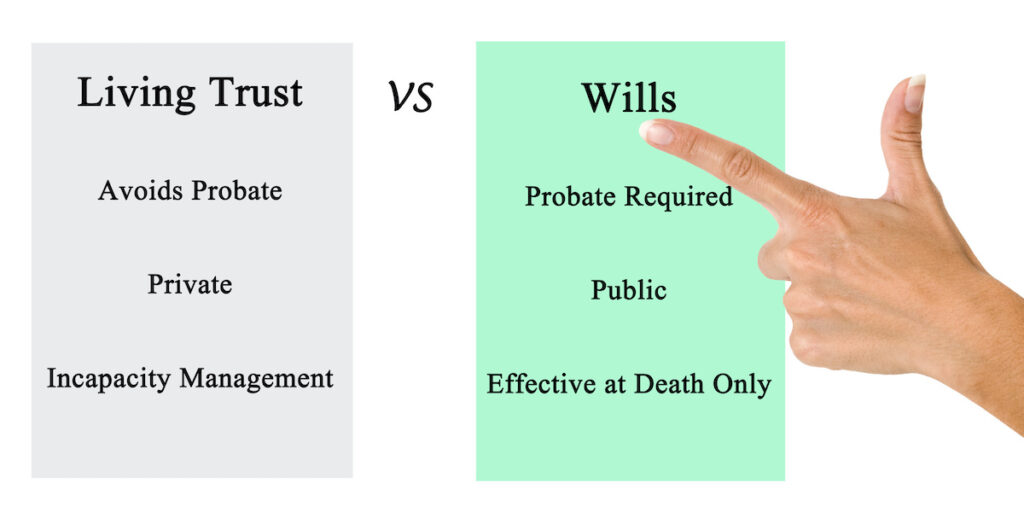
Another issue with relying on state law is that none of the transfers to your loved ones happen automatically. Your family must open a probate estate with the court and go through the process specified in state law before your property can transfer out of your name and into theirs. This process can be long and costly. It is also public. Many people prefer that an inventory of their property and the details of their family stay out of the public eye. Perhaps the best way to keep your matters private is by creating and funding a revocable living trust while you are alive and have the legal capacity to do so.
21
Jun
Jun
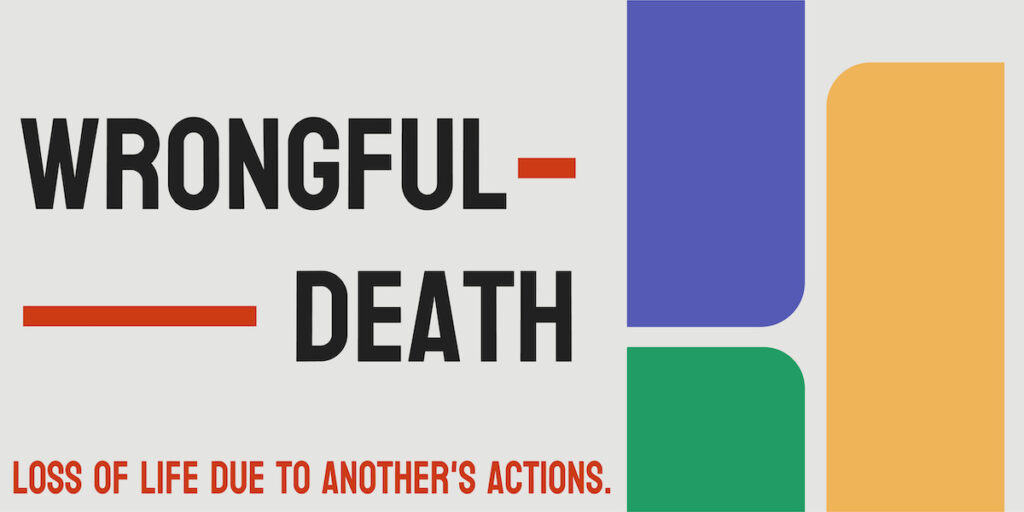
A wrongful death, as the term implies, is a death that results from the “wrongful” action of another, such as negligence, carelessness, recklessness, or intentional conduct. Both individuals and entities, such as businesses and governments, can commit a wrongful action that leads to death. For example:

24
May
May
Update your estate plan every 3 to 5 years. What’s more, if you have an adult child who still lives at home or recently had an adult child move back in with you, review the plan and make any necessary changes. Doing so is the only way to ensure that the court adequately addresses your wishes.
A living trust is a legal document that allows you to transfer your assets into a trust during your lifetime. This can help your estate avoid probate, a potentially lengthy and expensive legal process. A living trust also provides privacy, as it does not go through the probate process, which is a matter of public record.
18
Apr
Apr
The legally valid written instructions that a person creates describing how they want their money and property distributed upon their death. Wills are highly recommended, but there is no legal requirement to have one. To make a will legally valid, it must be properly executed in accordance with state law. Executing a will involves signing the document in front of witnesses. Additionally, at the time of signing, the creator must have capacity (i.e., be of sound mind).

15
Mar
Mar
To avoid any unnecessary complications in the settling of your affairs, take care to avoid ambiguous or unclear language in your will. If there are any doubts about your last wishes, the executor and beneficiaries may wish to consult with an estate planning lawyer to discuss next steps.