

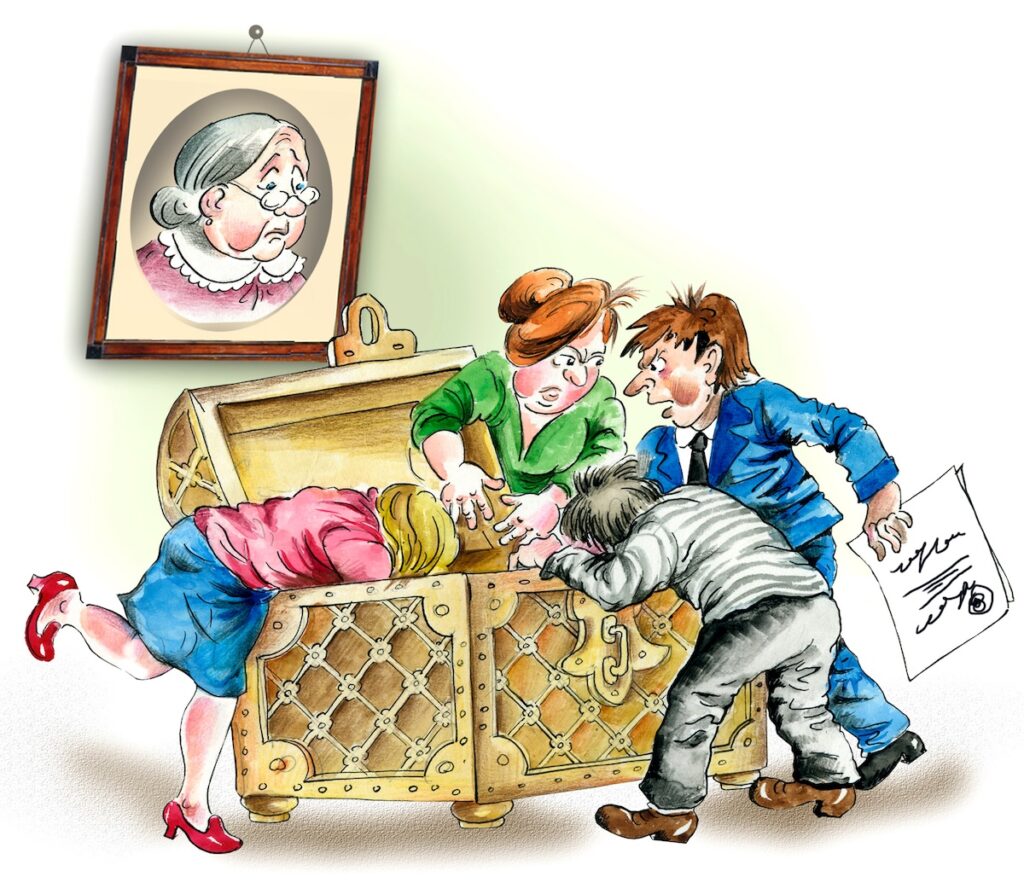
A Lesson in Wills, Trusts, and Family Peace for your Heir

The Great Wealth Transfer, a broad term for the largest transfer of wealth from older generations to younger ones through inheritances and other financial gifts, is underway. But that does not mean that every heir will receive a share. Some may miss out on an inheritance because their parents spend down their savings, while others may make the surprising choice to decline one.
Being named as a beneficiary does not mean that someone must accept an inheritance. A person may ask to be removed from an estate plan before the estate owner’s death or decline an inheritance later. Depending on how the plan is structured, they may be able to refuse one part while receiving another.
At a time when younger generations claim to be struggling financially, choosing not to inherit may seem counterintuitive. But there are reasons why someone may choose to say, “Thanks, but no thanks.”
Why Would an Heir Choose to Decline an Inheritance?

Affordability is one of the defining economic buzzwords of the moment. Younger Americans, Gen Z in particular, say that basic expenses are stretching them to the limit—and in many cases, past their financial breaking point.
They often contrast themselves with baby boomers, the wealthiest generation in history and the source of much of the wealth now expected to pass to younger generations. According to a 2026 Northwestern Mutual study, nearly half of US adults remain financially dependent on their parents, while more than half say that achieving financial independence is harder today than it was for older Americans.
It is not surprising, then, that many Gen Zers and millennials view an inheritance as important to their long-term financial security. Many bank on the Great Wealth Transfer easing the affordability crisis for them. However, no one guarantees large enough to provide lasting security. Fewer than one-third of Americans ever receive an inheritance, the average inheritance is below $50,000, and many recipients do not receive one until their mid-50s to mid-60s.

Yet for one or more of the following reasons, not every heir may want to inherit:
- Avoiding family disputes over an inheritance. Stepping aside can help reduce power struggles or lingering resentment among siblings, blended family members, or other beneficiaries.
- Preserving personal independence and boundaries. An heir may want to distance themselves from complicated family dynamics, avoid the appearance of financial dependence, or refuse gifts that come with emotional strings attached.
- Avoiding unwanted property or responsibilities. Real estate, business interests, collectibles, and other assets can come with taxes, maintenance costs, management obligations, or other burdens that a recipient would prefer not to assume.
- Protecting financial or benefits planning. In some situations, an inheritance can complicate an heir’s existing financial arrangements or eligibility for certain needs-based benefits.
- Aligning assets with personal values. Turning down wealth tied to businesses, industries, or family practices can avoid conflicts with an heir’s personal or ethical beliefs.
One recent high-profile example involves an heir who chose not to inherit, and her reason was surprisingly ordinary.
Brooke Hogan and the Hulk Hogan Estate

Following longtime professional wrestler Hulk Hogan’s death in July 2025, reports revealed that his daughter, Brooke Hogan, would not receive anything from his estate. Her absence from the will was not the result of a sudden or unexpected decision by her father. Brooke asked her father’s attorney to remove her years earlier.
She contacted her father’s financial manager in 2023, asking that they remove her from the will. Laster, she cited distrust in the people around her father. She also wanted to avoid becoming involved in a financial battle after his death. Brooke later explained her decision, saying that she feared the fighting that could follow her father’s death and wanted to avoid potential disputes over his money. She specifically referenced concerns about conflict involving her mother and Hulk Hogan’s wife. Her reason, in other words, was not all that unusual: She valued avoiding family conflict more than receiving a potential inheritance.
Brooke’s situation is also an example of how different parts of an estate plan can operate separately. A TMZ report claimed that she remained a beneficiary of a small life insurance trust that Hulk Hogan had established. Brooke reportedly planned to put that money toward her children’s college funds.
Declining One Part of an Inheritance
When a prospective heir asks to step away from an estate plan, it can seem like an all-or-nothing choice: Either someone remains part of the inheritance, or they opt out entirely.

A Will and Trust Can Serve Different Purposes
A will establishes who should receive property handled through the probate process, the court-supervised process for settling an estate after someone dies. A trust manages assets placed in it according to the instructions in the trust document.
Because wills and trusts operate separately, someone can structure their estate plan so that a beneficiary receives nothing through the will yet remains a named beneficiary of a separate trust or an asset like a life insurance policy, bank account, or retirement account.
That separation can give families some flexibility. A parent may respect an adult child’s wish to stay out of the broader estate while still providing for that child or their descendants through a separate method, like a trust, or through beneficiary designations on specific assets.
Preserving a Limited Benefit

A separate trust can provide a more targeted benefit rather than a share of the larger estate. For example, attorneys can designate funds for education, health care, or other specific needs.
Declining to be a part of one aspect of an estate plan does not necessarily mean refusing everything. Brooke Hogan’s situation illustrates the point that this type of arrangement can honor an heir’s wish while preserving a targeted benefit.
When and How to Decline an Inheritance

Whether you are creating an estate plan or may stand to inherit from one, everyone involved should understand that an inheritance can be declined.
- Before death. A prospective heir can ask to be removed from a will or another part of the estate plan. The person creating the plan can then decide whether and how to revise the documents.
- After death. The estate beneficiaries may also choose to disclaim an inheritance. A disclaimer is essentially a refusal to accept property that would otherwise pass to a beneficiary. For federal tax purposes, a qualified disclaimer must meet specific requirements, including being made in writing within a prescribed period and before the beneficiary accepts the property.
- Declining only part of an inheritance. Depending on the circumstances and the estate plan’s structure, a beneficiary may be able to refuse one asset or part of an inheritance while accepting other assets.
When family dynamics enter the equation, preserving peace or personal boundaries may matter more than the size of an inheritance. An estate planning attorney can help both planners and beneficiaries understand the options available when those priorities do not line up neatly with the traditional expectation of simply accepting what is given.

About Skvarna Law Firm in Glendora and Upland, California

Skvarna Law Firm operates from Glendora and Upland, California, serving clients throughout San Bernardino County, Los Angeles County, Orange County, and Riverside County, including Upland, Ontario, Rancho Cucamonga, Fontana, Colton, Rialto, Chino, Chino Hills, Glendora, Claremont, San Dimas, La Verne, Covina, West Covina, Azusa, and surrounding communities. The firm assists clients with estate planning, trusts, wills, probate, and elder law, helping individuals and families protect their assets, plan for the future, and navigate important legal decisions with confidence.
