


Snowbirds: What You Need to Know About Second Home Rental Property

Owning a second home gives you the freedom to escape to a favorite destination for weeks or months at a time. However, when that property sits empty for part of the year, renting it out can seem like an easy way to offset some of the costs of ownership.
Rental income can certainly help cover expenses such as mortgage payments, property taxes, insurance, and maintenance. Having responsible renters occupy the property may also reduce long periods of vacancy. Nevertheless, turning a second home into even a part-time rental creates financial, legal, tax, insurance, and practical responsibilities that deserve careful planning.
Before handing someone the keys, consider how renting the property could affect both your current finances and your long-term estate plan.
First, Make Sure You Can Legally Rent the Property
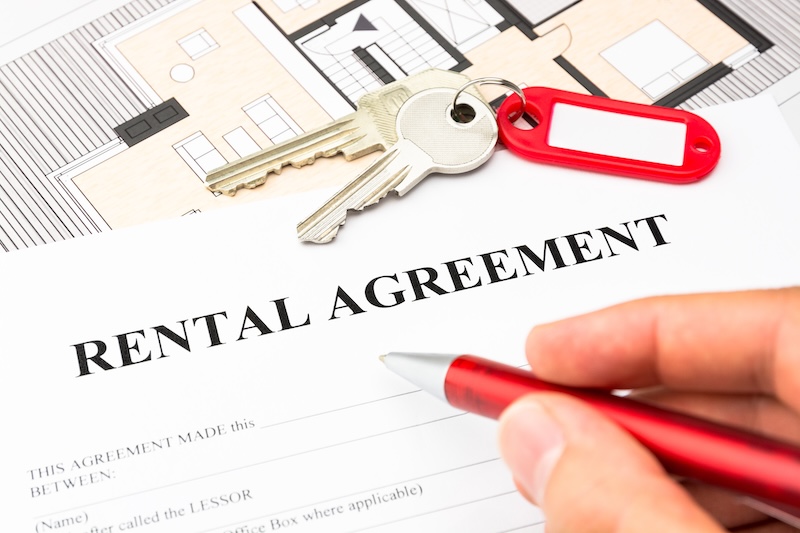
Before creating a listing, determine whether local laws and property restrictions allow you to rent the home. Rules can vary considerably depending on the city, county, community, and type of rental.
For example, you may need to investigate:
- Local zoning ordinances
- Short-term rental regulations
- Licensing or registration requirements
- Minimum rental periods
- Occupancy restrictions
- Homeowners or condominium association rules
- Deed restrictions or restrictive covenants
Some communities prohibit short-term rentals altogether, while others require permits or limit the number of days owners can rent their properties. Violating those requirements could result in fines, enforcement action, or loss of rental privileges.
Therefore, checking the rules before accepting reservations can prevent expensive problems later.
Talk to Your Insurance Company Before Renters Arrive

Don’t assume your existing homeowners insurance automatically covers rental activity. A standard policy may exclude or limit coverage when you rent the property, particularly if you offer it as a short-term or vacation rental.
Depending on your circumstances, your insurer may recommend an endorsement, landlord policy, vacation-rental policy, or another form of specialized coverage. You should also discuss liability limits and whether an umbrella policy makes sense.

Although additional coverage adds another expense, the potential cost of inadequate insurance can prove much greater if someone suffers an injury or renters damage the property.
Consider the Liability That Comes With Second Home Rental Property
Allowing other people to occupy your home creates potential liability. A renter or guest could suffer an injury, or something that occurs on your property could damage neighboring property.
Consequently, some owners consider placing rental property in a limited liability company (LLC). Under appropriate circumstances, an LLC may help separate liabilities associated with owning and operating the rental from the owner’s personal assets. However, an LLC doesn’t create an impenetrable legal shield, and owners may remain personally responsible for their own negligence, personally guaranteed obligations, or problems arising from improperly maintaining the LLC.
Additionally, transferring a mortgaged property into an LLC requires careful consideration. Loan documents may restrict transfers, and moving ownership without the lender’s consent could potentially trigger a due-on-sale provision. A transfer may also affect insurance, taxes, financing, homestead protections, and your estate plan.
For those reasons, discuss the strategy with your attorney, tax professional, insurance provider, and lender before changing ownership.

Don’t Overlook the Tax Consequences of a Second Home Rental Property
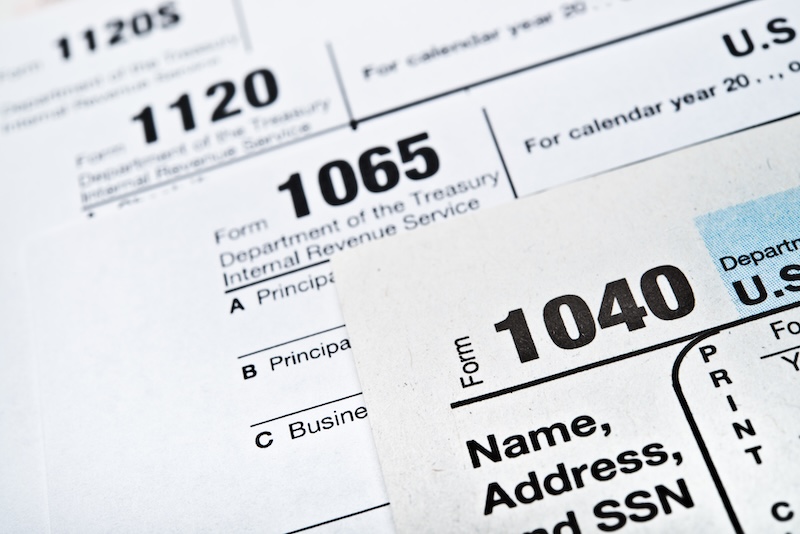
Rental income can help pay the bills, but it can also change your tax situation.
Federal tax treatment depends partly on how many days you rent the property and how many days you use it personally. For example, if you use the property as a home and rent it for 14 days or fewer during the year, you generally don’t report that rental income or deduct rental expenses. Once you rent it for 15 days or more, you generally must report the income.
Things become more complicated when you divide the year between personal and rental use. Certain expenses may need allocation between the two, while additional rules can limit deductions.
Keep detailed records of:
- Rental and personal-use dates
- Rental income received
- Repairs and maintenance
- Insurance and management expenses
- Other rental-related costs
Because individual circumstances differ, work with a qualified tax professional to determine how the rules apply to your property.
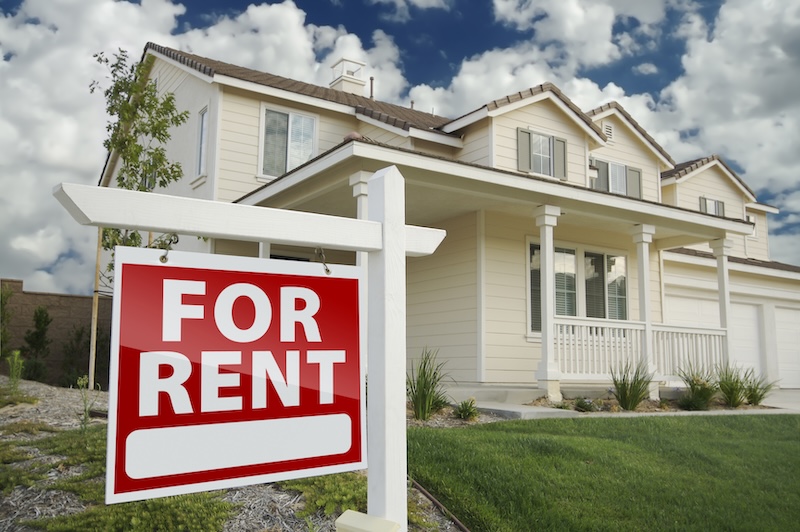
Second Home Rental Property Considerations
Once you’ve addressed the legal and financial questions, think about the practical reality of allowing strangers to live in your second home.
Remove or securely store valuables, medications, financial records, personal documents, photographs, and anything you wouldn’t want damaged or taken. Then create an inventory of the furniture and other belongings that will remain.
Before each rental, make sure the home is safe and ready for occupancy. Test smoke and carbon monoxide detectors, inspect locks, address potential hazards, and confirm that the property meets applicable rental requirements. Additionally, consider professional cleaning and inspections between guests.
Finally, take dated photographs or video immediately before renters arrive and after they leave. Combined with an inventory and written records, that documentation can prove valuable if a dispute develops over damage or missing property.
Remember Your Estate Plan

A second home often represents more than another piece of real estate. It may become a gathering place for children and grandchildren, a significant investment, or an asset you hope to pass to the next generation.
Adding rental activity doesn’t eliminate those goals, but it can add another layer to the planning process. Ownership structure, liability, taxes, insurance, financing, and eventual inheritance can intersect in ways that deserve consideration before problems arise.
If you own a second home in California or elsewhere, review how the property fits into your estate plan—especially before transferring ownership to an LLC, trust, family member, or another entity. Thoughtful planning can help protect both the property and the legacy you intend it to become.

About Skvarna Law Firm in Glendora and Upland, California
Skvarna Law Firm operates from Glendora and Upland, California, serving clients throughout San Bernardino County, Los Angeles County, Orange County, and Riverside County, including Upland, Ontario, Rancho Cucamonga, Fontana, Colton, Rialto, Chino, Chino Hills, Glendora, Claremont, San Dimas, La Verne, Covina, West Covina, Azusa, and surrounding communities. The firm assists clients with estate planning, trusts, wills, probate, and elder law, helping individuals and families protect their assets, plan for the future, and navigate important legal decisions with confidence.
