


Which Homeowner Estate Planning Steps Should I Take?
Buying a home marks a major life milestone. Whether you purchased your first home, upgraded for a growing family, or downsized into something that better fits your current lifestyle, homeownership changes your financial picture in important ways. A home often becomes one of your largest assets, which means your estate plan should reflect that new investment. So what homeowner estate planning steps should you take?

Many homeowners focus on moving, unpacking, renovations, and mortgage paperwork after closing. However, estate planning deserves attention as well. Failing to update your plan after purchasing property may create unnecessary complications involving probate, inheritance, incapacity planning, and property transfers later.
At Skvarna Law, we regularly help families throughout Glendora, Upland, and surrounding California communities update their estate plans after major life changes such as purchasing real estate. Proper planning helps ensure your new home remains protected while your wishes stay clear for your loved ones.
Why Should New Homeowners Update Their Address?

After moving into a new home, updating your address should become a priority. Many important legal and financial documents still arrive through the mail, including tax documents, insurance notices, banking statements, and investment records.
Homeowners should update their information with:
- Financial institutions
- Retirement accounts
- Insurance providers
- Government agencies
- The IRS
- The Department of Motor Vehicles
Keeping these records current helps prevent delays, missed notices, and unnecessary administrative problems later.
Although updating an address may seem simple, overlooked details sometimes create larger issues during emergencies, estate administration, or financial transactions.
Does the Way My Home Is Titled Matter?
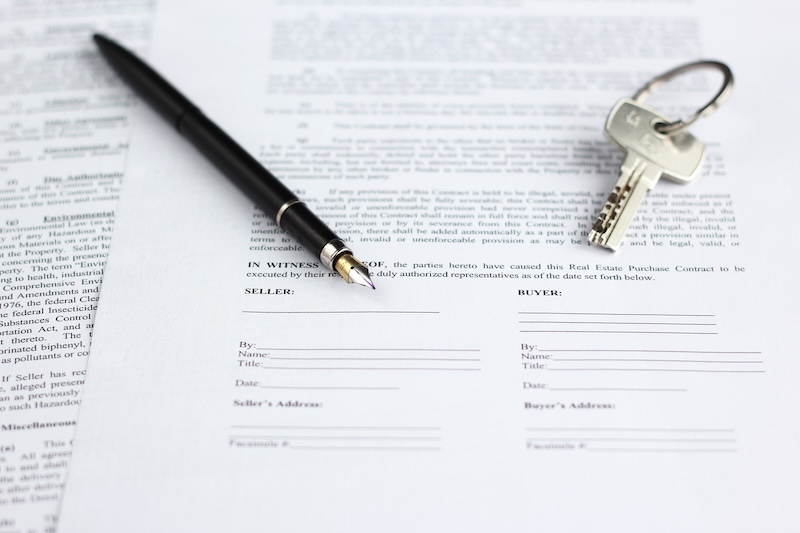
Yes. The legal ownership structure listed on your property deed plays a major role in how the home transfers after death and how it may be managed if incapacity occurs.
Many homeowners assume title paperwork automatically aligns with their estate planning goals. Unfortunately, that is not always the case. If ownership remains inconsistent with the estate plan, your documents may not work the way you intended.
For example, homeowners with living trusts often benefit from transferring the property into the trust’s name. Proper trust funding may help avoid probate while allowing the trust instructions to control how the property transfers later.
Property title decisions may affect:
- Probate exposure
- Inheritance rights
- Asset protection
- Trust administration
- Long-term family planning
If you recently sold another property, older estate planning documents may still reference your previous home or contain outdated instructions that no longer reflect your goals.
Do First-Time Homeowners Need an Estate Plan?

Many younger homeowners assume estate planning only becomes necessary later in life. However, purchasing a home often creates the perfect reason to establish an estate plan.
Real estate ownership introduces significant financial obligations and long-term responsibilities. If incapacity or death occurs unexpectedly, family members may face serious legal and financial complications without proper planning in place.
A comprehensive estate plan may help address:
- Property inheritance
- Mortgage obligations
- Healthcare decisions
- Financial management
- Guardianship planning
- Probate avoidance
For many families, the home represents not only financial value but also stability and security. Estate planning helps protect both.
Why Should Homeowners Review Life Insurance?

Most homebuyers take on substantial mortgage obligations when purchasing property. Life insurance can help provide financial stability for surviving loved ones if something unexpected happens.
Without sufficient coverage, surviving family members may struggle to maintain mortgage payments and household expenses. Reviewing life insurance after purchasing a home helps ensure your coverage still matches your financial responsibilities.
At the same time, homeowners should review beneficiary designations connected to:

- Retirement accounts
- Life insurance policies
- Investment accounts
- Payable-on-death accounts
Many people do not realize beneficiary designations often override instructions contained in a will or trust. Outdated forms may unintentionally direct assets to the wrong individuals if they are not updated properly.
Does Homeownership Affect Insurance Planning?
Yes — especially when trusts become involved. If you transfer your home into a trust, your insurance carrier may require policy updates to ensure ownership records remain accurate.

Homeowners should also review broader insurance coverage after purchasing property. In many situations, bundling homeowner’s and automobile policies may improve coverage while reducing costs.
Although insurance planning and estate planning serve different purposes, both help protect your family’s long-term financial stability.
Estate Planning Should Evolve With Your Life
Estate planning should grow and change alongside major life events. Marriage, children, retirement, business ownership, inheritance, and home purchases all create reasons to review and update your legal documents.

Buying a home provides an excellent opportunity to evaluate whether your estate plan still reflects your current goals and financial situation. Taking proactive steps now may help your loved ones avoid unnecessary legal complications and probate issues later.
At Skvarna Law, we help individuals and families throughout Glendora, Upland, and surrounding California communities create estate plans designed to protect their homes, assets, and loved ones. Whether you recently purchased your first property or need to update an existing estate plan, our team can help ensure your planning strategy remains aligned with your long-term goals.
About Skvarna Law in Glendora and Upland, California

Skvarna Law provides estate planning, trust administration, probate, and asset protection services for individuals and families throughout Glendora, Upland, and surrounding California communities. We help clients create customized estate plans designed to protect their loved ones, preserve their assets, and provide long-term peace of mind. Whether you need a will, trust, powers of attorney, or guidance through probate administration, our team is here to provide experienced and compassionate legal support tailored to your unique situation.
